In the last days of our journey, as we approached the river that was to be our test of courage and skill, nature decided to delay our march. Dense vegetation and overgrown paths presented new challenges. Instead of continuing our journey, we decided to stop and rest before attempting the crossing. During this time, our local guides began preparatory work - additional securing of luggage and throwing ropes to the other side of the river, I have time to write what has happened so far.
Although our trip and the team are not among the most common nature expeditions these days, I cannot resist documenting animals and plants since I have more time today.
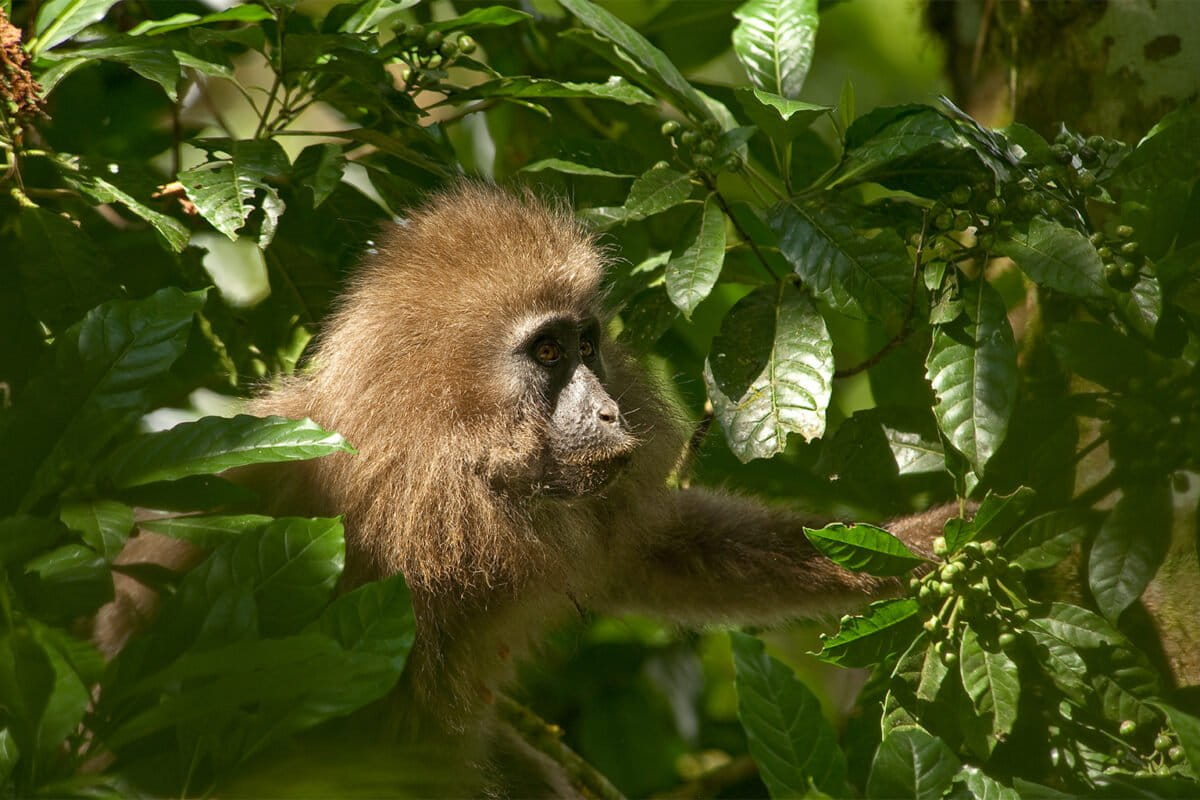
I saw it high up, almost at the edge of the light. First there was a sound-a low, raspy sound, like someone trying to whistle through wet fabric. Then the branches moved. Not violently, more like something heavy shifting leisurely, knowing exactly where to place its hand. The silhouette was dark, uniform, without any distinct contrasts. For a moment, I had the impression it was the shadow of a person climbing too confidently, too naturally. It sat sideways to me, its long limbs hugging the trunk, and it looked down, not at me-as if testing the ground to determine which was more important. When it turned its head, I saw a face: not aggressive, not frightened. Surprisingly calm. As if my presence were just another detail in the landscape. After a moment, it uttered the same low sound and disappeared into the thicket, not fleeing, just retreating.
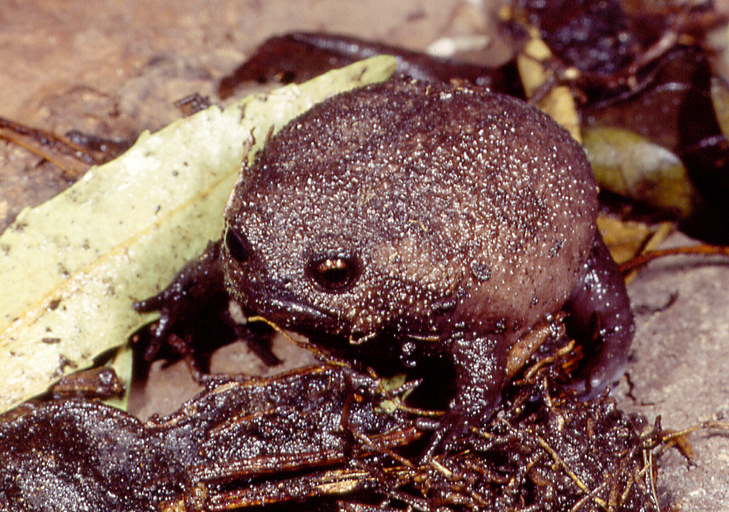
In the second case, it was much lower-almost underfoot. I noticed movement near a stream like many we'd crossed before, where the water was so swift it was white. Something detached itself from a wet stone. I swear I'd thought it was just a patch of mud. It was small, agile, earthy tones: brown, gray, a touch of green. Its skin glistened, as if it were always freshly wet. It leaped once-short, precise-and paused for a split second, long enough for me to memorize the shape of its body and its large, bulging eyes. It didn't look at me for long. Rather, it looked at the water, at the stones, as if the entire world consisted of that stream. When I took a step, it vanished instantly-without a splash, without a trace. All that remained was the movement of the water and that strange feeling that something alive had always been there, and I only saw it because, for a moment, I was looking exactly in the right place.
When I return, I will try to ask my compatriots whether those species is known.
During our trip, I had many opportunities to speak with local guides who knew the area like the back of their hand. Their knowledge of flora and fauna was impressive, but often limited to practical aspects-what was valuable to humans, whether as food or potentially dangerous.
When I asked about various plant and animal species, their responses varied. Sometimes, when I described a rare flower or an unusual bird, they would use a simple gesture that could be interpreted as "it's nothing special," as if to say it wasn't worth worrying about. Perhaps it was a language barrier that made accurate translation difficult, or perhaps their priorities were simply elsewhere.
However, when it came to dangers that might lurk along our path, the guides proved extremely cautious. They warned of potential threats, such as wild animals or the difficult terrain on the other side of the river. Their experience and knowledge of the area were invaluable in ensuring our safety.
12th day of journey
After analyzing the notes and descriptions from that day, I managed to identify the species that might have crossed my cousin's path. It was the Kipunja (top photo), a mammal known for its distinctive communication call. English Wikipedia describes this call as "a low, raspy 'honk-bark'. Its closest relatives make a completely different sound, 'whoop-gobbles'." The first descriptions didn't appear until the 21th century.
In the case of the first species, the matter seems pretty much settled. In the second case, it's actually a for or worse shot. It's possible it was Breviceps fuscus, which, according to Wikipedia, is also known as the black rain frog, plain rain frog, brown short-headed frog, and-my favorite-Tsitsikamma rainfrog. It is a species of frog in the family Brevicipitidae. It is endemic to the southern coast of South Africa. First found in 1925.